ARCHEATHON
Design Tomorrow with the knowledge of the Past!
-->During the event, participants will develop projects that aim to support archaeological research, organize complex data, and help preserve and promote cultural heritage .
--> Participation is open to both individuals and teams.
-->Competition registrations and information will be provided through our Instagram account and official website.
--> At the end of the hackathon, projects will be evaluated by our jury, and the winning participant(s) will receive funding support for their project, along with a special surprise prize.
Sub-Topics
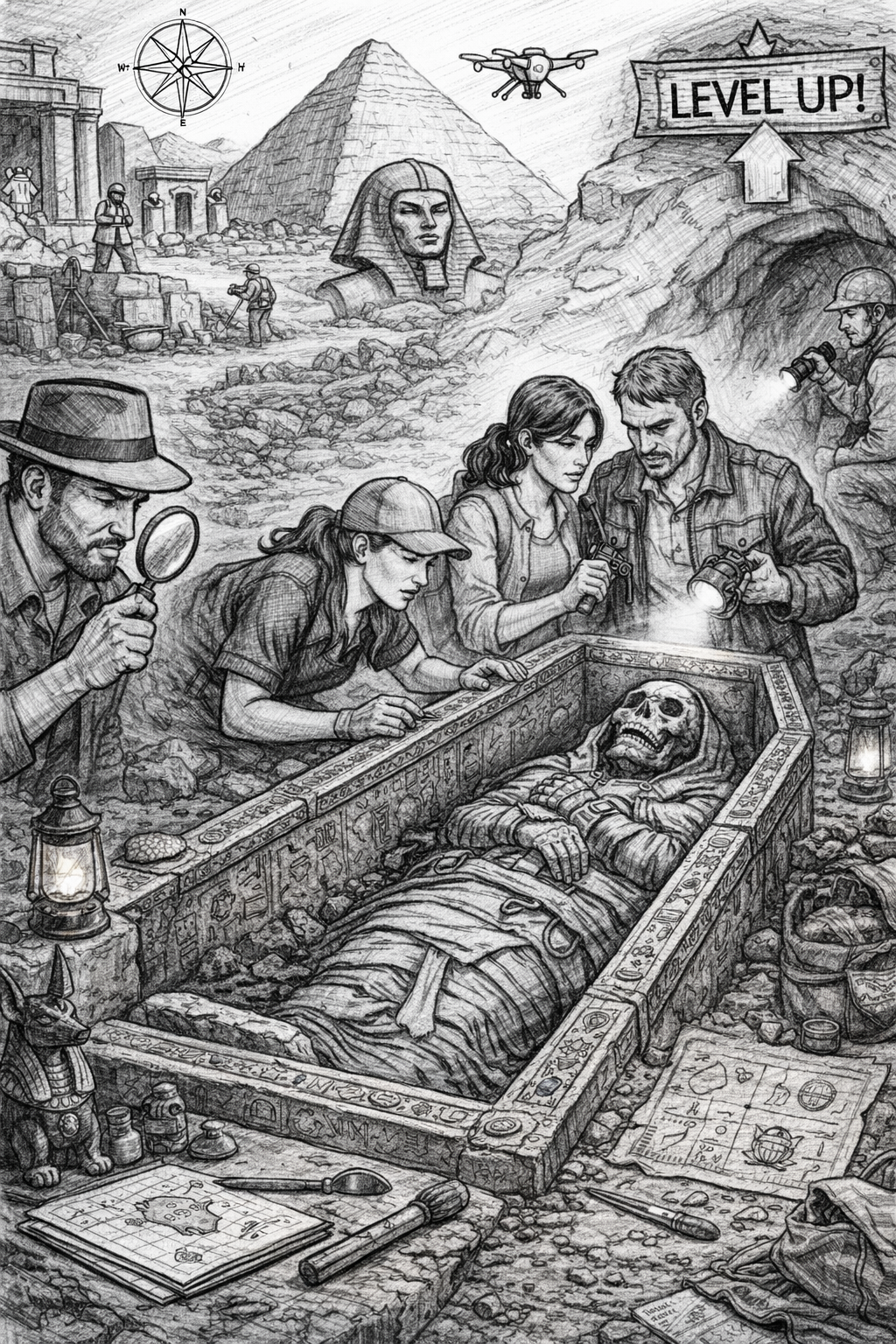
1)Gamified Education for Archaeology
Your task is to design an innovative educational tool that transforms the processes of discovery, excavation, and interpretation in archaeology into gamified digital experiences, turning the user from a passive observer into an active agent of discovery. These solutions, which maintain scientific accuracy and increase interaction and learning motivation, should advance the understanding, retention, and transmission of archaeological knowledge to future generations.
This challenge aims to develop gamified archaeology tools that increase accessibility in education, make cultural heritage more understandable and memorable, and appeal to a wide audience ranging from students to museums and public platforms. The goal is to transform archaeology from merely a discipline to be studied into an experience to be played, explored, and interpreted. Because the true path to understanding the past lies not in passively observing it, but in actively experiencing it.
For more information, please contact:
Head of Gamified Education Department: Zeynep Su Dabak
Email: zeynep.su.dabak10@gmail.com
Phone: +90 530 123 45 67
2) Virtual Excavation Experience With Augmented Reality
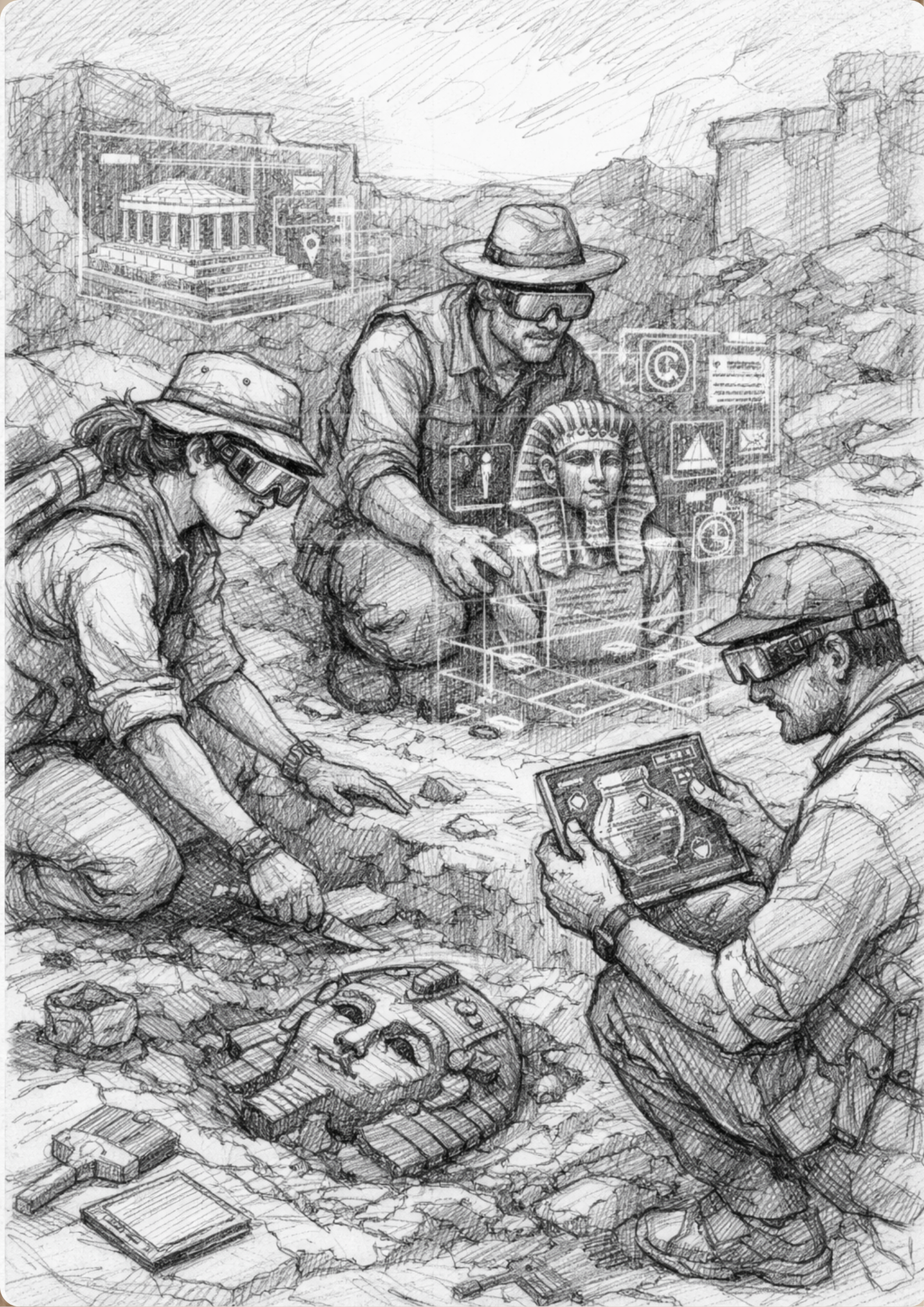
Our goal is to enable you to design a virtual excavation experience using Augmented Reality (AR) and spatial visualization technologies. The solution, which integrates real-world data such as GPR (ground-penetrating radar), LiDAR, photogrammetry, satellite imagery, and archaeological datasets, should enable users to experience an excavation layer by layer, uncover artifacts, examine stratigraphy, and visualize the transformation of the site over time.
This challenge aims to produce innovative solutions for cultural heritage preservation, accessibility in education, remote scientific collaboration, and sustainable archaeology. Designed for a wide range of users, from students to researchers, museums to public platforms, the AR-based virtual excavation tool should fundamentally change the way we explore the past—without moving a single stone.
Head of Virtual Excavation Department: Ada Uysal
Email: adauysal2010@gmail.com
Phone: +90 543 918 50 42
3)AI-based historical artifact recognition and classification
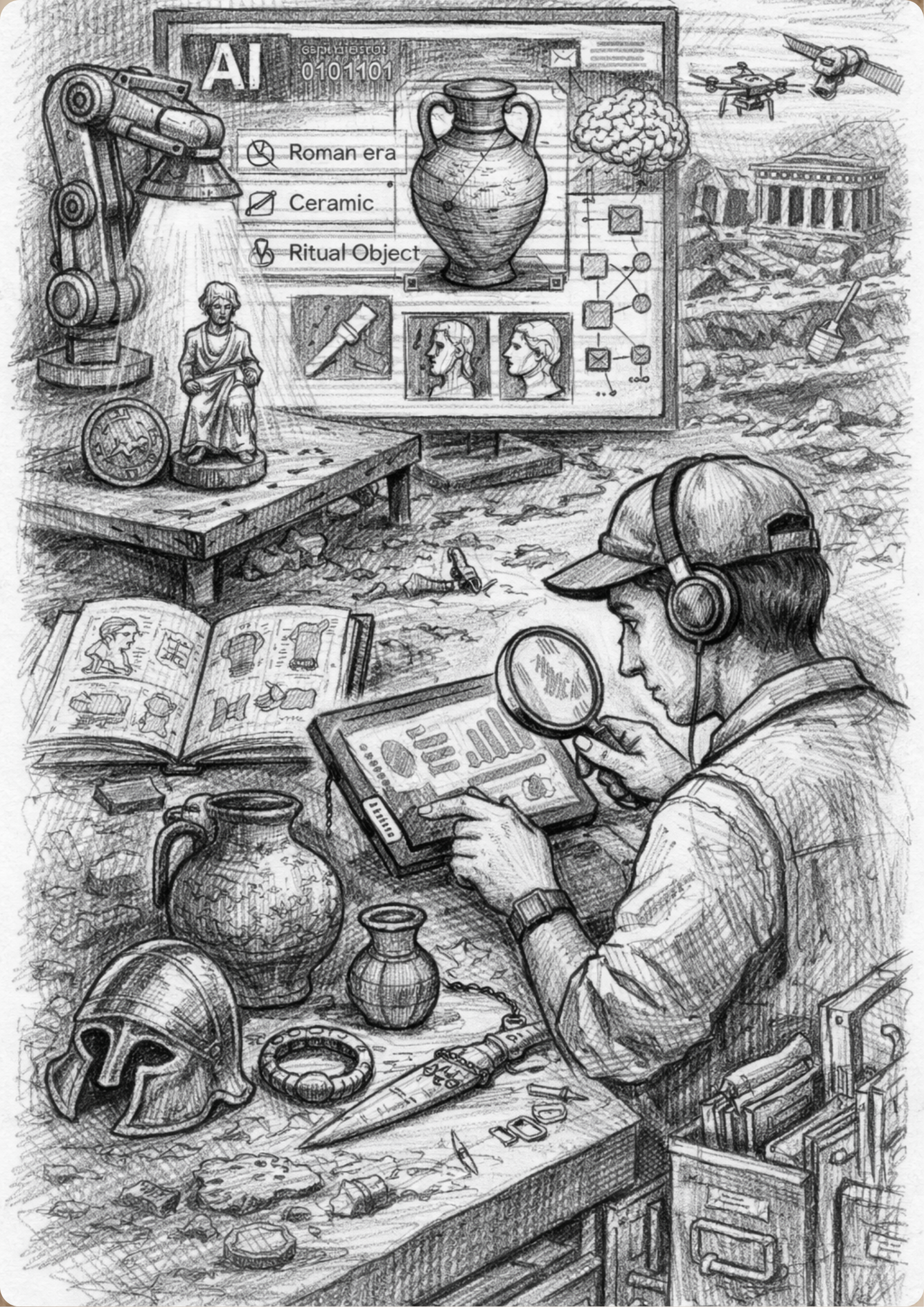
With the project you will develop, you are expected to create a solution to this problem faced by archaeologists and develop a system that enables the classification of historical artifacts and historical information.
Using image processing, machine learning, and big data analysis techniques, the solution should be able to recognize artifacts based on their visual characteristics and automatically classify them according to criteria such as the period they belong to, their purpose of use, the materials used in their construction, and their cultural context.
This AI-based system, which will be effective in many areas from education to academic research, digital museology, and cultural heritage preservation, will ensure the continuity of cultural heritage and bring an innovative perspective to archaeological studies.
Head of AI-based Artifact Recognition Department: Almira Ertuna
Email: almiraert@gmail.com
Phone: +90 533 232 29 05
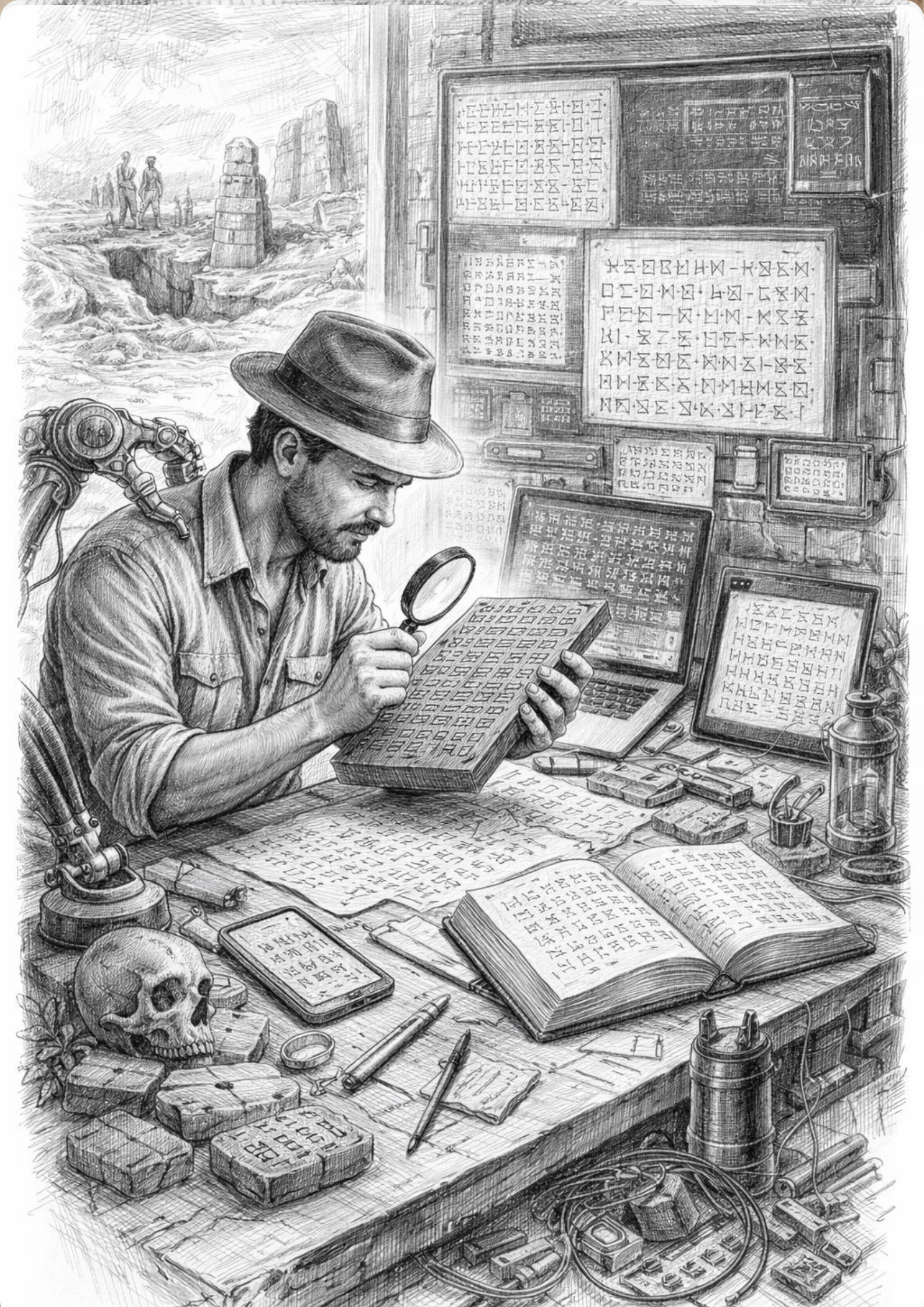
4)Reconstructing lost languages
Your task in this hackathon is to develop an innovative digital solution that uses NLP and artificial intelligence techniques to re-analyze the structure of lost or endangered languages. Projects to be developed may include approaches such as completing missing texts, predicting words and meanings, revealing grammatical patterns, or modeling the possible structure of the language using related languages. The important thing is to come up with a solution based on scientific foundations that makes the user an active part of the process.
This competition aims to bring together digital humanities, historical linguistics, and artificial intelligence to reinterpret lost languages and pass them on to future generations. The goal is to move beyond viewing language as merely data to be studied; it is to transform it into a living heritage that is discovered, deciphered, and revived.Because truly understanding a language is possible not just by reading it, but by deciphering its structure and reconstructing it.
Head of Lost Languages Department: Ada Yeniyapan
Email: adayeniyapan@gmail.com
Phone: +90 532 734 0771